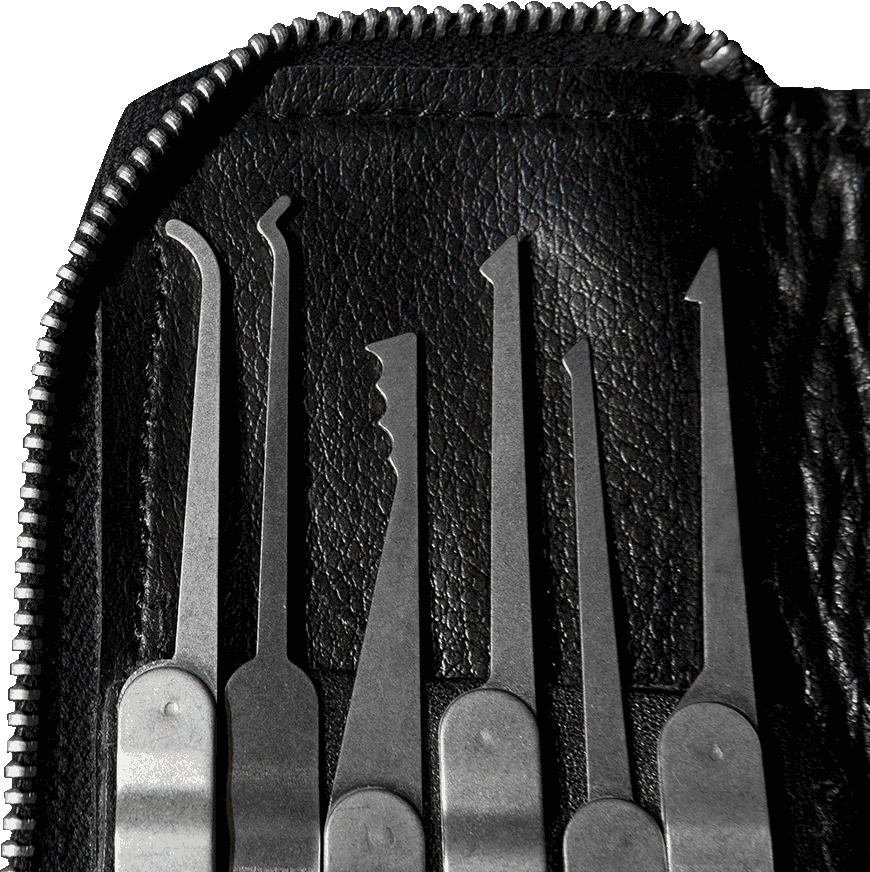

Rekeying usually starts with a feeling, not a broken lock.
You move into a new place and somebody hands you two keys on a random ring. Maybe three. Maybe one looks older than the others. Maybe the front door works, the back door works, everything technically works, and still the thought shows up anyway - who else has copies of these?
That is where a lot of rekey jobs begin. Not with damage. Not with a dramatic lockout. Just with that slightly uneasy pause people get after a move, after a roommate leaves, after a breakup, after a tenant change, after a bag goes missing, after a contractor had access for longer than planned. Normal life stuff. But it sticks in the back of your mind.
D & M Locksmith handles rekey locks service across Boston from our Roxbury base. It is one of those jobs people often wait on because the door still opens and closes, so it does not feel urgent. Then a week goes by. Then another. Then the same question comes back: "Should we just deal with this now?" Usually, yes.
This part trips people up all the time.
A lot of customers hear "rekey" and think it means changing the whole lock. It doesn't. Rekeying changes the inside setup so the old key no longer works and a new key does. The hardware on the door can stay, assuming the hardware is still in decent shape.
That matters because not every situation needs a full replacement. Sometimes the lock is perfectly fine. The real problem is access. Too many old keys out there. Too many unknown copies. Too many people who used to need entry and no longer do.
That is why rekeying is often the smarter first move. It solves the actual question without turning the job into something bigger just because "new locks" sounds more dramatic.
Some reasons come up over and over.
That list sounds practical, but these calls are often more personal than people expect. Home is home. Office is office. Once access starts feeling fuzzy, it bothers people. Quietly sometimes. But it bothers them.
There is a certain kind of Boston lock situation that sneaks up on people.
An older front door. A side entry that has seen three owners and five paint jobs. A multi-family building where nobody is completely sure when the locks were last changed. A little retail space with one front cylinder, one back door, and a drawer somewhere full of old keys that may or may not match anything anymore.
That is why blanket advice online is only so useful. Boston buildings are not neat examples from a hardware store aisle. Some doors have solid hardware that is worth keeping. Some have mismatched pieces from years of small fixes. Some locks absolutely should be replaced. Others are good candidates for rekeying and would be a waste to toss out just because the word "change" sounds more complete.
If somebody is looking for a locksmith near me, that local part matters. A locksmith who works around Boston long enough starts to notice which setups usually respond well to rekeying and which ones are trying to tell you they are done.
That is probably the best way to put it.
A lot of locksmith work happens after the bad moment - the lockout, the broken key, the jammed deadbolt, the missing fob, the late-night call. Rekeying is different. It is one of the smarter preventative jobs because it deals with the thing people keep thinking about but keep postponing.
And when people finally do it, they usually say some version of the same thing: "Honestly, we should have done this sooner".
That makes sense. Once it is handled, the tension disappears fast. The old keys do not work. The new ones do. Everybody knows where things stand. The front door stops carrying a question mark around with it.
Homeowners usually call after a move or after somebody had access they no longer want to have access. Simple enough.
Landlords and property managers tend to think about it differently. Turnover. Old tenant keys. Maintenance copies. Cleaning staff. Contractors. Previous arrangements that went on longer than expected. Rekeying on the rental side is less emotional most of the time, but it is still about peace of mind - and avoiding the kind of preventable trouble no one wants to explain later.
Then there are the small mixed-use places Boston has a lot of. Upstairs apartment, downstairs business. Shared entries. Side doors that matter more than visitors realize. Those jobs are never quite as one-size-fits-all as the internet wants them to be.
Fair question. There is no clever one-line answer.
If the lock itself is still solid, rekeying often makes more sense. It handles the access problem without paying for full replacement. If the hardware is worn out, unreliable, damaged, or wrong for the door, that is when replacement starts looking more sensible.
In other words, the condition of the hardware matters just as much as the reason for the call. Some locks have years left in them. Some are one bad winter away from becoming a separate problem.
People also ask about types of locks and whether all locks can be rekeyed the same way. Not exactly. Some setups are straightforward. Some are more limited. Some older locks are worth saving. Some bargain hardware looks fine until you open it up and realize there is not much there worth preserving. That is another reason real inspection beats generic advice.
That search comes up for a reason. People are trying to save money. Understandable.
But a lot of do-it-yourself rekey plans sound better at a laptop than they do with the lock apart, tiny parts on the floor, the wrong kit in hand, and half a Saturday disappearing for no good reason. Some people can absolutely handle it. Some cannot. Most are not really looking for a hobby anyway. They are looking for certainty.
That is the part worth paying attention to. A front door key is not just a weekend project for most households. It is the thing you use when you are tired, late, carrying bags, coming home in bad weather, getting kids inside, locking up at night. People usually want that job done cleanly so they can stop thinking about it.
Yes, of course people ask that right away.
How much does a locksmith cost for rekeying? Depends on the setup. One lock is different from several. A straightforward cylinder is different from older or more unusual hardware. A house with a few entries is different from a business with multiple doors and staff keys to think about. That is why the useful answer comes from the actual doors in front of you, not some perfect little number floating around online with no context attached.
What most people really want is not the world's cheapest answer. They want a fair one. And they want to know whether rekeying will actually solve the problem they called about. Reasonable.
That is maybe the funny part of this service.
No one throws a party because the locks were rekeyed. No one posts dramatic before-and-after photos. Usually the whole thing ends quietly. The new key works. The old one doesn't. Somebody tries it twice just to be sure. Then the ring goes into a pocket or onto a hook by the door and the house feels a little more settled than it did an hour earlier.
That quiet ending is the point.
It is one less loose end. One less weird unknown. One less reason to wonder who might still be able to walk in.
D & M Locksmith helps Boston customers with rekey locks service for homes, rentals, apartments, small businesses, and those in-between situations where the locks still work but the access setup no longer feels right.
Some calls come after a move. Some come after a change nobody was really planning for. Some come from people who are just tired of pretending that "probably fine" feels the same as secure. It doesn't. And that is usually why they call.